

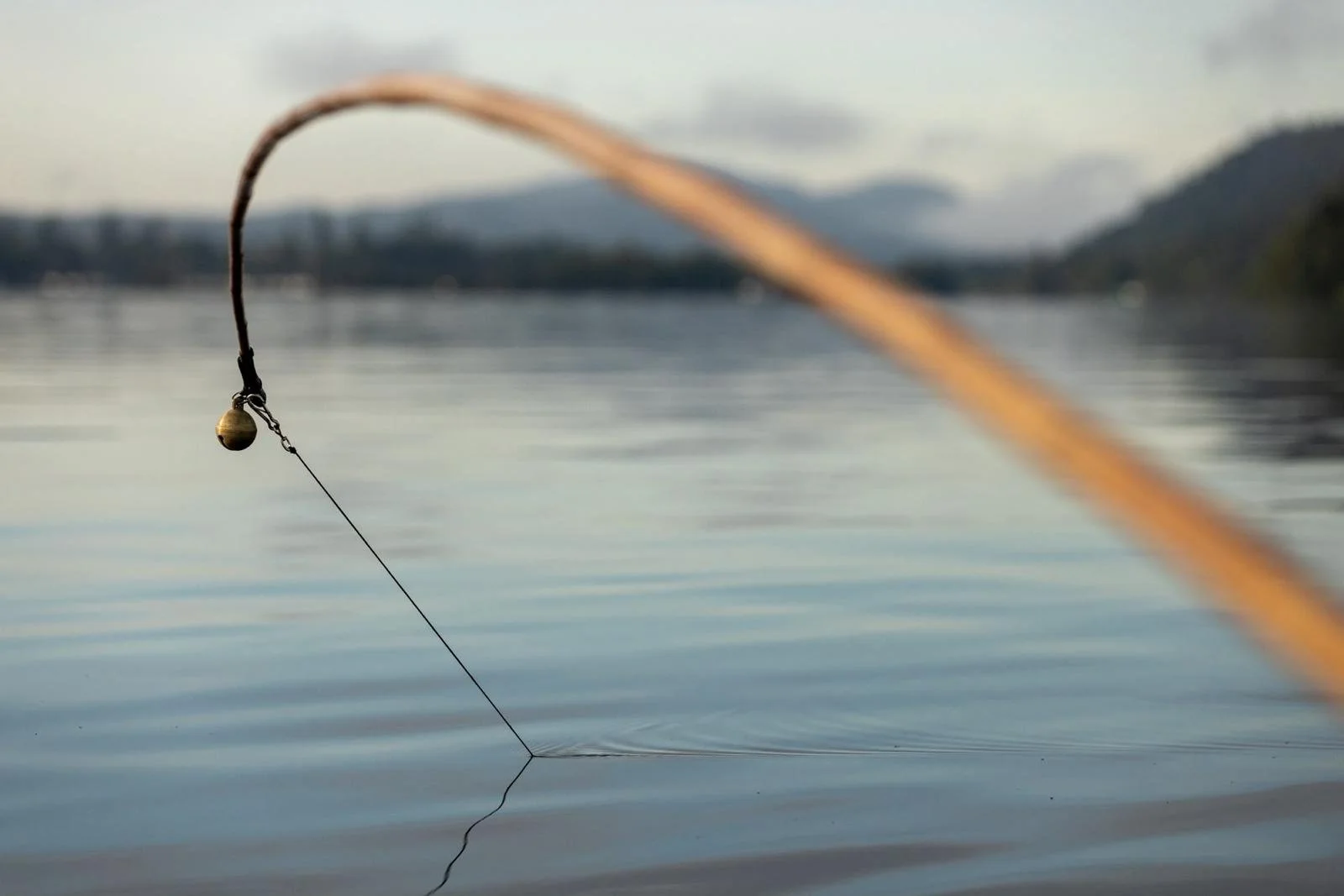
Windermere's Arctic Charr
Time is running out.
But we are not out of time.
Since the last Ice Age, Arctic charr have survived in Windermere.
Now their survival hangs in the balance. EXTINCTION tells their story.
The story of the charr
Windermere is home to one of the most extraordinary populations of Arctic charr anywhere on Earth. But we are on the brink of losing them forever.
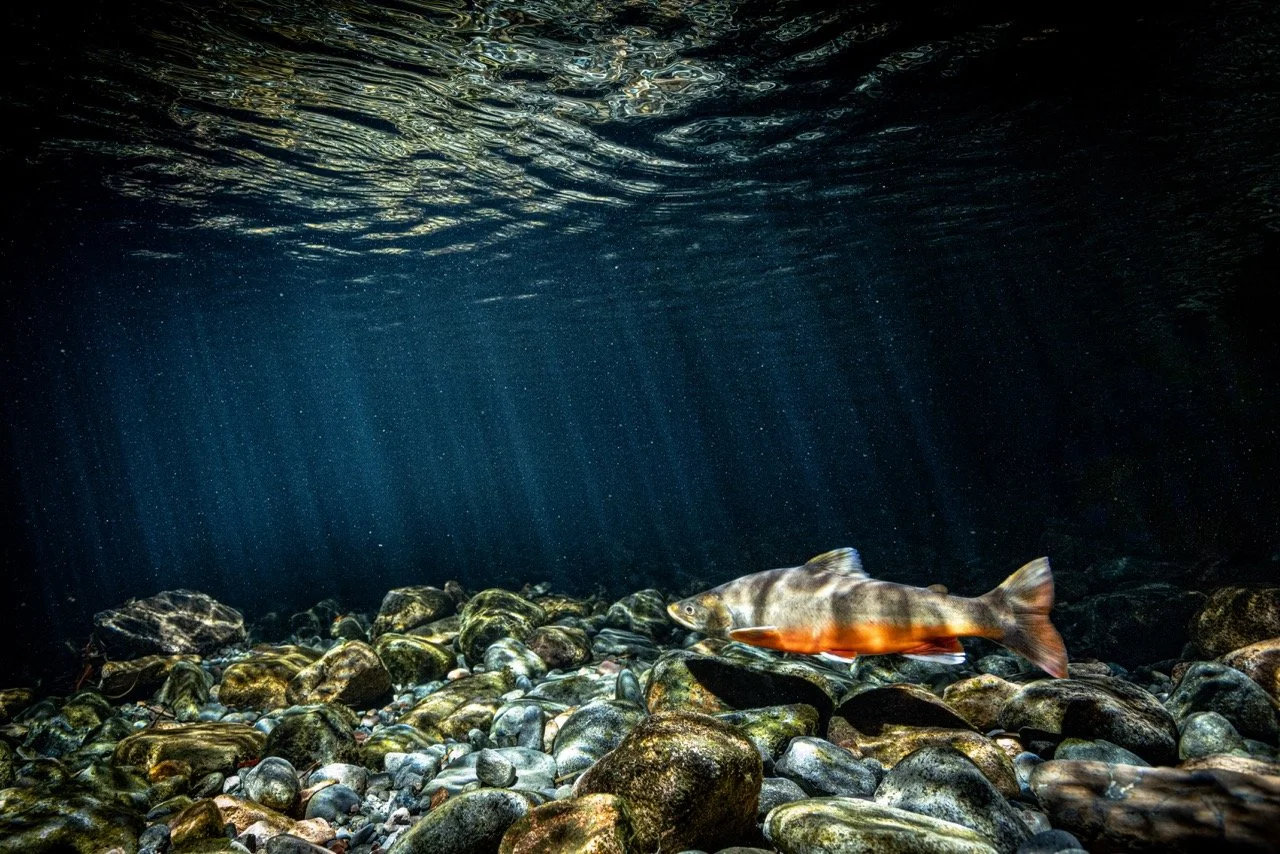
Since the last Ice Age, Arctic charr have survived in England's largest natural lake, developing distinct populations found in Windermere and Windermere alone.
Although Arctic charr are found in several lakes across the Lake District, Windermere has historically been considered exceptional. The lake was home to four distinct populations, or 'races', of Arctic charr. These populations differed in where and when they spawned, with spring and autumn spawning populations associated with the lake's two basins and river spawning behaviour also recorded.
These populations have long been considered reproductively isolated, with barriers to gene flow allowing them to develop distinct characteristics over thousands of years. This makes Windermere's Arctic charr incredibly rare.
They represent thousands of years of adaptation that cannot simply be replaced.
And now, they are at risk of extinction in Windermere.
The documentary
EXTINCTION
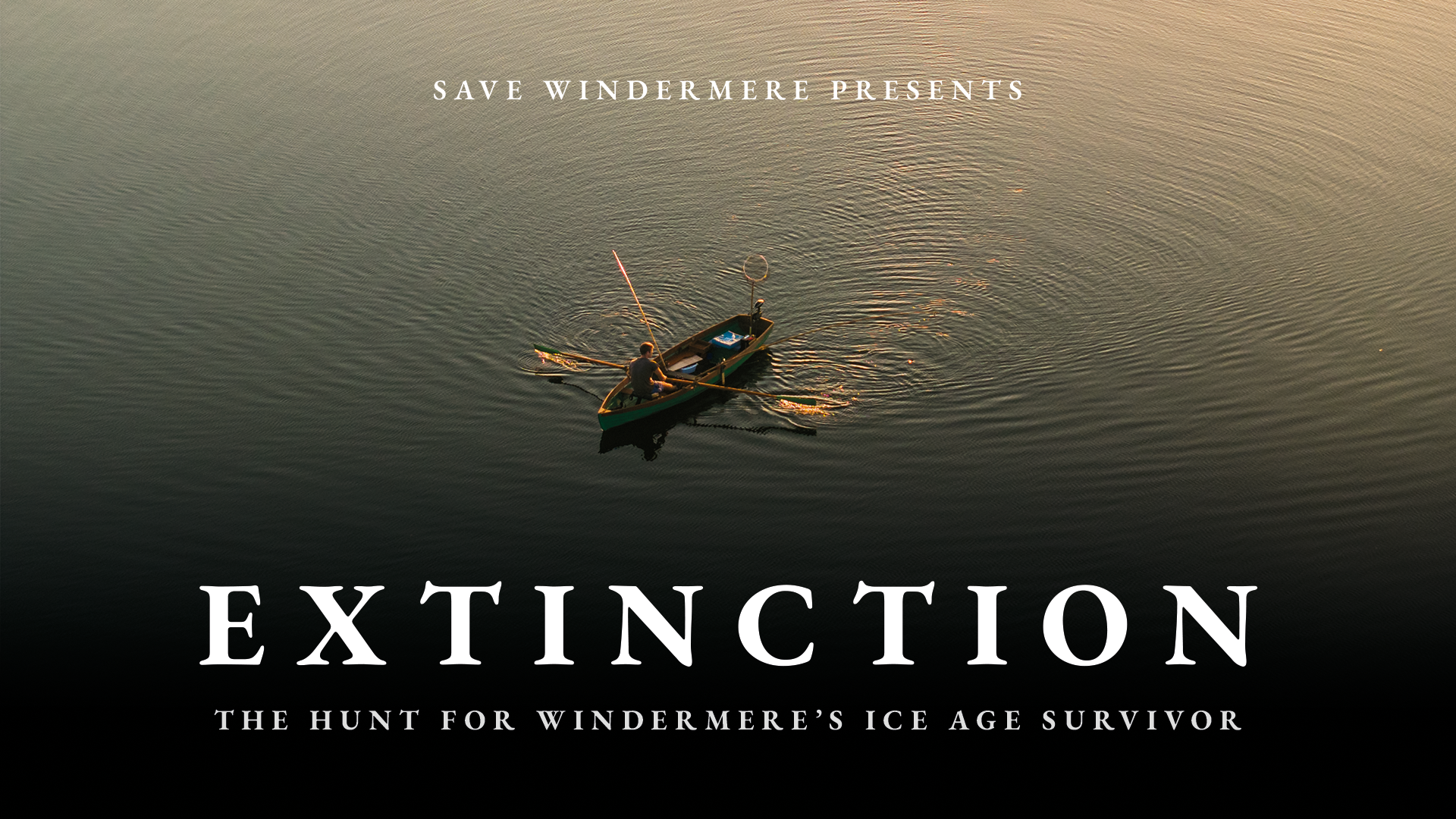
With cinematography by BAFTA-winning filmmaker Lindsay McCrae, the film follows Windermere's Ice Age survivor and the people trying to protect it. The story is about one species — and the condition of the lake it depends on.
What's happening to Windermere?
There are three major pressures threatening the survival of Windermere's Arctic charr:
- Declining water quality.
- Climate change.
- Invasive fish species.
Save Windermere's position is simple. We cannot locally reverse climate change. Nor is there a credible plan to remove or reduce the populations of invasive fish from a lake of Windermere's size.
But we can eliminate sewage pollution.
And we have the evidence to show how.
See what needs to be done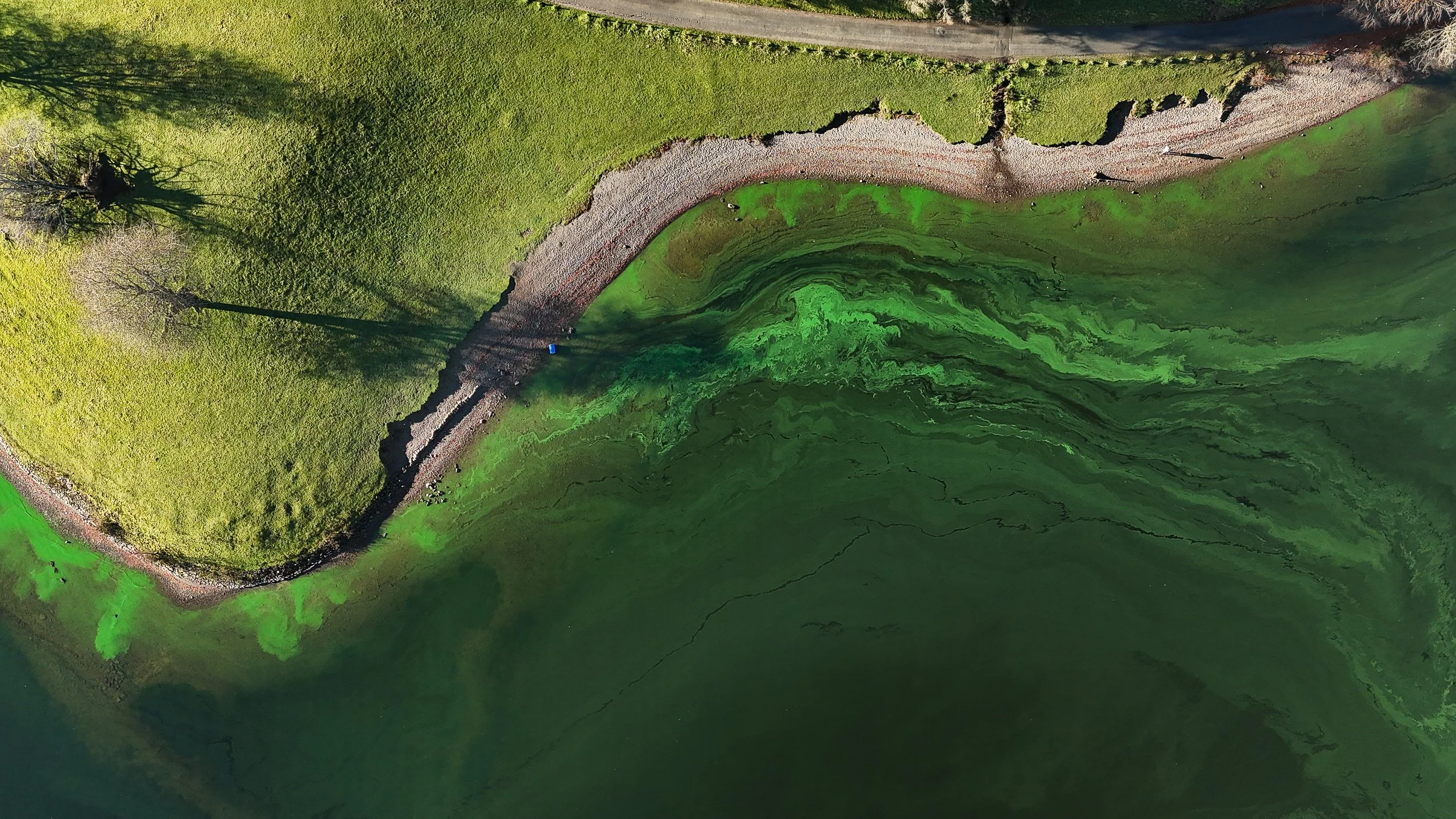
How sewage affects Arctic charr
Sewage pollution is the primary driver of the algal blooms we are seeing in Windermere.
-
Nutrients enter the lake
Sewage introduces enormous quantities of nutrients into Windermere, fuelling excessive algal growth and fundamentally altering the lake's ecology.
-
Algae bloom
Some algal blooms can be toxic to aquatic life. But for Arctic charr, the consequences extend far beyond the blooms themselves.
-
Gravels clog and oxygen falls
As algae die, they sink and accumulate on the lakebed. This organic material is smothering the clean gravels on which Arctic charr depend to reproduce. Its decomposition also consumes oxygen, contributing to declining oxygen concentrations in the lake.
-
Charr struggle to reproduce
For a species dependent on clean spawning grounds and oxygen-rich water, these changes are devastating.
This is why eliminating sewage pollution is central to saving Windermere's Arctic charr. It is a major pressure that we have the power to remove. And unlike climate change or invasive species, there is now an engineering plan demonstrating how this can be achieved.
How close are we to losing them?
Investigations undertaken by the Freshwater Biological Association reveal the alarming scale of the charr's decline, highlighting just how precarious the future of Windermere's Arctic charr has become.
The research has identified alarming changes in the lake's Arctic charr populations and spawning habitats since 2017.
- No Arctic charr DNA was detected at historic spring spawning sites in Windermere.
- No Arctic charr were detected at spawning grounds in Windermere's South Basin.
- Spawning habitat quality has declined markedly since 2017, with increased silt and algae reducing the quality of spawning habitats.
- Arctic charr detections were fewer and eDNA signals weaker in 2025 compared with 2017.
- Invasive fish species are increasing, with ruffe and roach more abundant and widespread than in the 2017 study.
These are not changes taking place over centuries.
They have been documented in less than a decade.Populations that have survived for thousands of years are now disappearing from places where they were historically found.
We cannot afford another decade of decline. We need emergency intervention. And we need it now.
Three urgent interventions to prevent extinction
Intervention 1: Eliminate sewage pollution from Windermere
The Government must commit to delivering Only Rainwater into Windermere.
Why this is needed
Delivery of Only Rainwater into Windermere addresses the fundamental cause of Windermere's ecological decline.
For decades, treated and untreated sewage has been discharged into Windermere and its surrounding catchment, introducing nutrients that fuel algal growth and degrade the conditions on which Arctic charr depend.
Across the catchment, United Utilities operates a network of wastewater treatment works and storm overflows that discharge into the lake and its connected watercourses. These wastewater discharges represent a major controllable source of nutrient pollution.
Intervention 2: Protect their irreplaceable genetic heritage
Establish an emergency conservation breeding programme in spring 2027.
Why this is needed
Windermere's Arctic charr are genetically distinct populations that have adapted to this lake over thousands of years. If these populations disappear, their unique genetic heritage would be lost forever.
Simply introducing Arctic charr from another lake would not restore what has been lost. We must act now to safeguard the surviving populations through an emergency conservation breeding programme, with the aim of protecting their genetic diversity and supporting future recovery.
Captive breeding, conservation translocation and reintroduction have been used successfully to protect threatened fish populations around the world. Waiting until these populations have disappeared is not an option.
Intervention 3: Restore the spawning grounds before it's too late
Remove accumulated material and restore or create suitable clean gravel habitats.
Why this is needed
Arctic charr depend on clean, well-oxygenated gravels to reproduce successfully. Yet the Freshwater Biological Association finds that spawning habitat quality has deteriorated significantly, with increasing deposits of algae and silt.
These conditions threaten the survival of the next generation. Targeted intervention is urgently needed to remove accumulated material where appropriate and restore or create suitable clean gravel habitats.
These are practical measures that could improve spawning conditions and give surviving fish a better chance of successfully reproducing.
And now, after years of campaigning, the solution is no longer hypothetical.
The landmark Only Rainwater into Windermere (ORiW) feasibility study has demonstrated that eliminating sewage discharges from Windermere and its surrounding catchment is technically achievable.
The study's modelling also demonstrates the transformative benefits that removing sewage could deliver for water quality and harmful algal blooms.
ONLY RAINWATER INTO WINDERMERE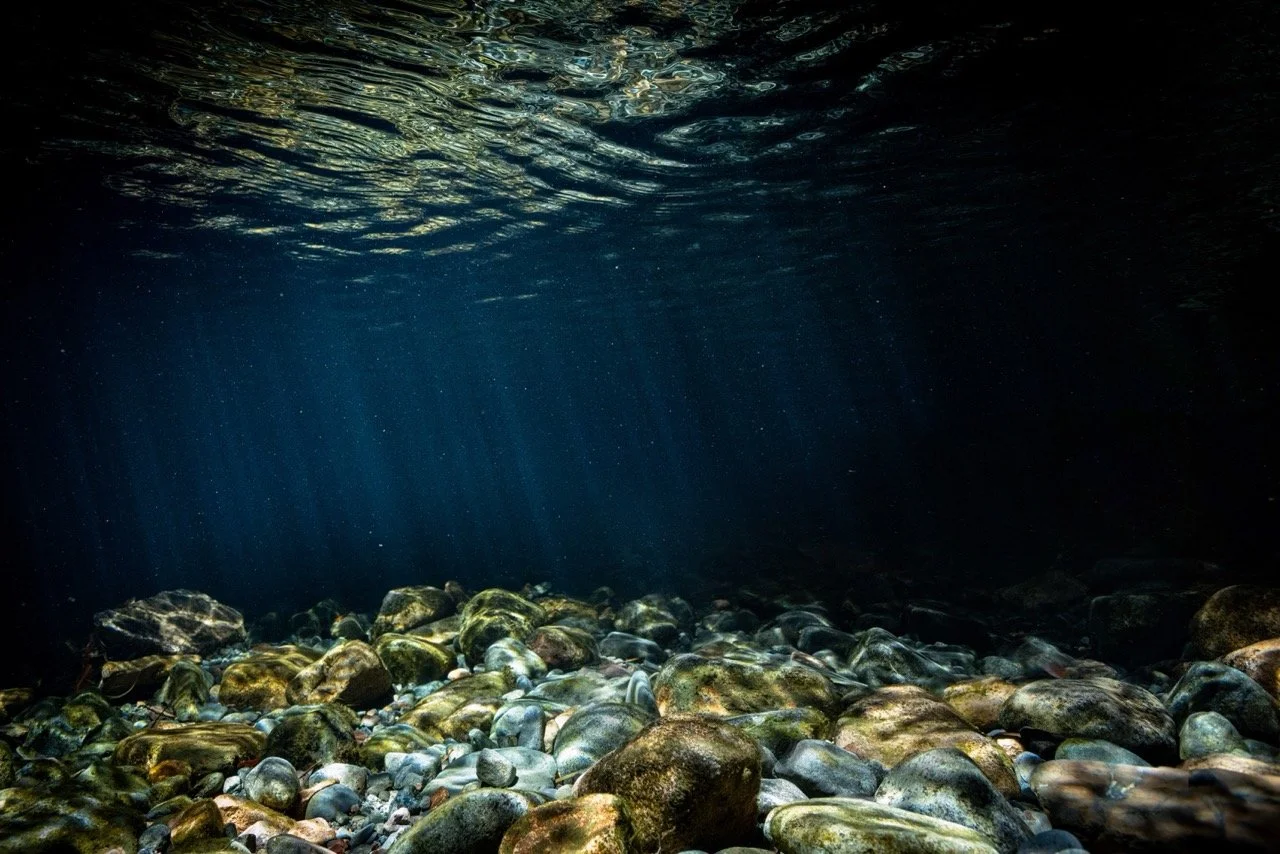
We cannot save the charr
without saving the lake.
All three interventions are critical. Two are emergency measures to protect surviving populations and improve their chances of reproducing. They address the consequences of a deteriorating environment. Delivering ORiW addresses the fundamental cause of that deterioration.
The Government must now commit to deliver ORiW and save the charr.
We now have an engineering pathway to eliminate sewage pollution from Windermere, but we need the Government to commit to the funding, detailed design, permissions and delivery needed to achieve the campaign's 2037 deadline of Only Rainwater into Windermere.
Fund the fight to prevent extinction.
Support Save Windermere.
SAVE THE CHARR
Help us build the public pressure the
Government cannot ignore.
JOIN THE FIGHT
Share the film.
Make their story impossible to ignore.
SPREAD THE WORD
Extinction is not inevitable.
But without action, it will become irreversible.